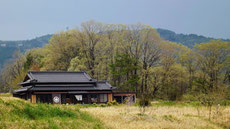
spring · 15日 3月 2026
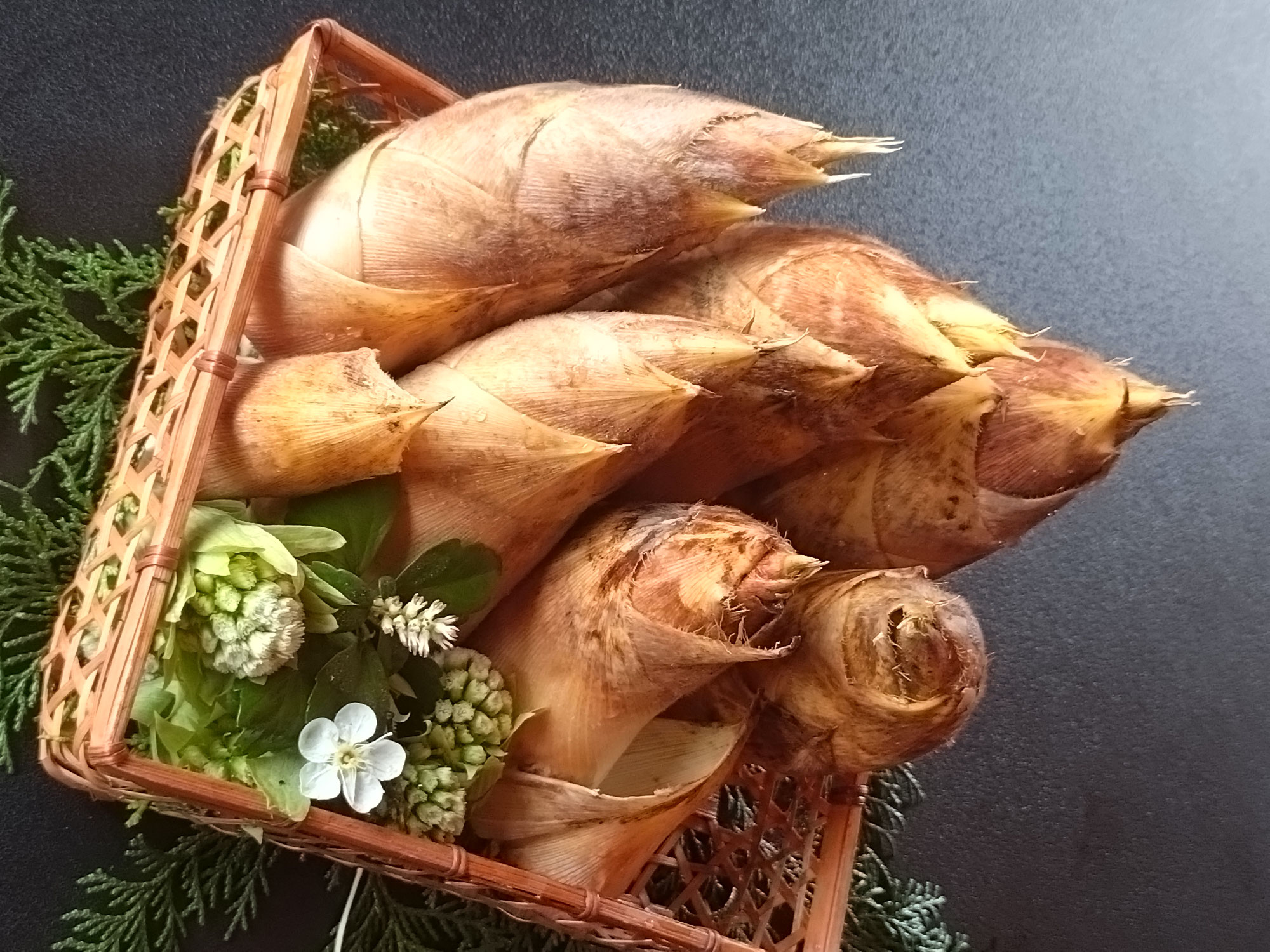
We are pleased to announce the first arrival of Fuki-no-tō (butterbur sprouts), Nokanzo (daylily shoots), and the eagerly awaited Seto Bamboo Shoots.
autumn · 24日 9月 2025

As autumn 2025 unfolds, whispers from Kiso's deep mountain forests bring tidings of mushroom season's gentle awakening. Despite summer's fierce embrace lingering longer than memory recalls, the cool caress of morning and evening finally beckons. With this subtle shift, shiromài and ibokogori emerge from their forest homes. Now we begin preparing our mushroom hot pot - a celebration of mountain autumn's tender arrival. Come savor autumn's quiet awakening in our mountain village retreat....
summer · 08日 9月 2025
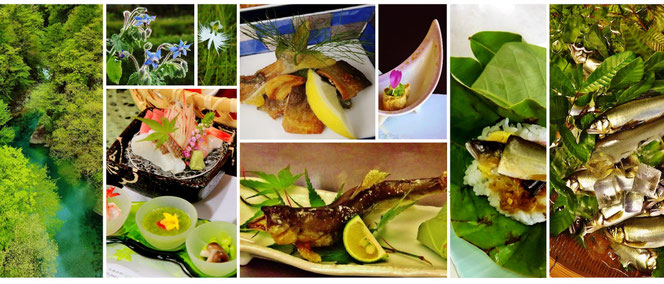
In recent years, sweetfish that don't descend to the sea but instead overwinter in dams and lakes can be seen here and there throughout Japan. These are the ones that spend their entire lives in freshwater only, using lakes and dams as substitutes for the sea. For several years now, young sweetfish caught at Agi River Dam have been released into neighboring rivers. Sweetfish are precious! Their ability to adapt to their environment is wonderful.
07日 9月 2025
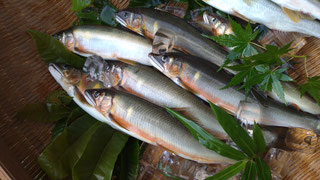
"Does sweetfish taste different depending on which river they're caught from?" Well, yes... strictly speaking. When the water source changes, so does the water quality - the water's composition. Water temperature and volume also differ. This causes subtle changes in algae growth, which affects the taste of the sweetfish that eat them and grow.
21日 8月 2025
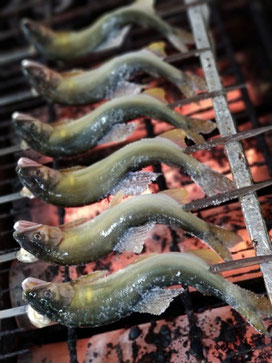
"Does sweetfish taste different depending on which river they're caught from?" Well, yes... strictly speaking. When the water source changes, so does the water quality - the water's composition. Water temperature and volume also differ. This causes subtle changes in algae growth, which affects the taste of the sweetfish that eat them and grow. I think you'd notice the difference if you compared them. Even watermelons taste different depending on the region and individual fruit - some sweet,...
